An automatic gate motor with remote control can make a large entrance gate much easier to operate. Instead of getting out of the vehicle to open a sliding gate manually, users can operate the gate with a remote transmitter.
Depending on the automation system, you can also integrate additional controls such as mobile apps, photocells, wall switches, and access-control systems.
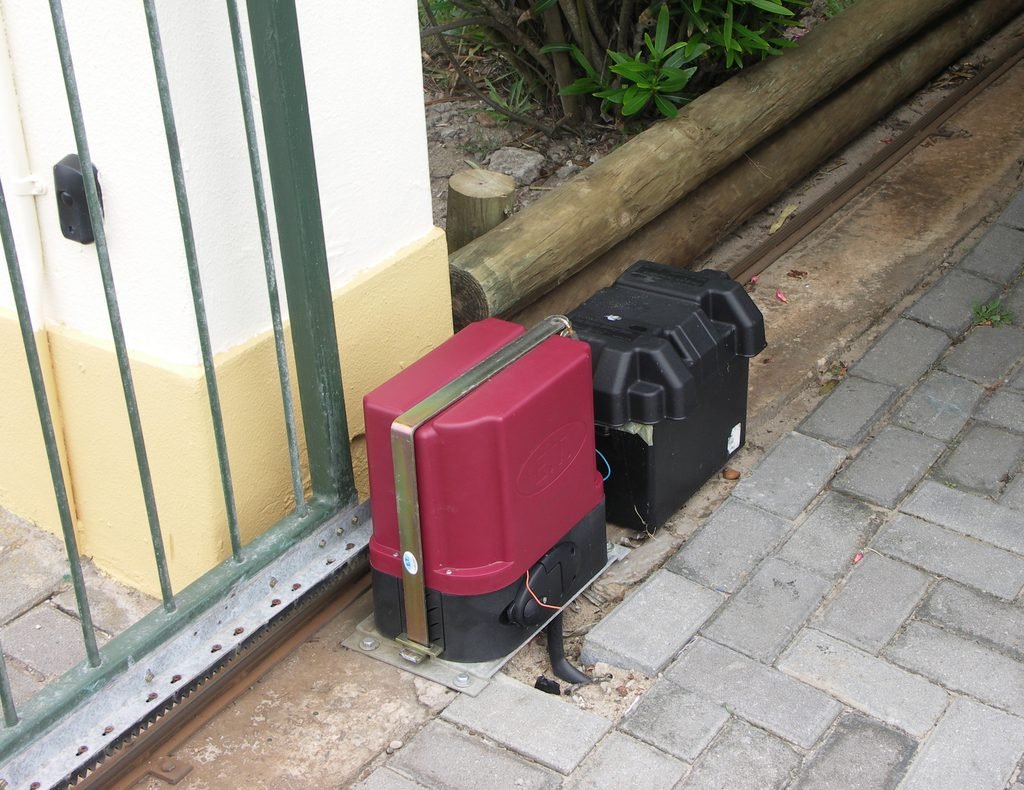
For this comparison, we focus on automatic sliding gate motors available in the Indian market. The three products covered here are:
- STANSV 250W DC Sliding Gate Motor
- FAAC 740 E Z16
- Nice Robus 400.
The selection is based on manufacturer specifications, remote-control capability, Indian availability or listings, gate capacity, and currently published pricing. These products are presented as options for different requirements rather than an objective, universal ranking.
Quick Comparison: Gate Motors With Remote
| Product | Motor / Supply | Gate Capacity | Protection | Remote Control | Listed Price in India |
|---|---|---|---|---|---|
| STANSV 250W DC | 24V DC, 250W | Up to 600 kg | IP44 | 2 remotes included | ₹28,000 |
| FAAC 740 E Z16 | 220 V – 240 V AC, 350W | Up to 500 kg | IP44 | Available with radio kit | ₹56,640 |
| Nice Robus 400 | 24V DC, 330W | Up to 400 kg | IP44 | Available with complete kits | ₹40,000–₹70,000 |
1. STANSV Sliding Gate Motor — 250W DC
The STANSV 250W DC sliding gate motor is a comparatively modern option for residential sliding gates. The manufacturer’s current listing specifies a 24V DC gear motor rated at 250W, with a rated torque of 8 N·m and a no-load speed of 300 RPM.
The stated maximum gate weight is 600 kg, although the actual suitability of a particular installation also depends on the gate’s mechanical condition, length, wheels, alignment, and operating frequency.
One useful feature is the combination of Wi-Fi app control and two included remote controls. You can operate the system through the STANSV application, while the supplied remotes provide a more conventional way to open the gate from a vehicle.
The manufacturer specifies an IP44 protection class, a working temperature range of -20°C to +60°C, and a noise level below 55 dB. It also uses magnetic/mechanical limit-switch arrangements.
The listed price is ₹28,000, before any applicable GST or additional installation-related charges. STANSV states that its automation packages include two remote controls and a one-year warranty covering manufacturing defects, subject to its stated warranty conditions.
Who should consider it?
This option is worth investigating if you want a sliding gate motor with both remote and smartphone control, particularly for a residential installation where app-based access is useful.
2. FAAC 740 E Z16
FAAC’s 740 series is an established electro-mechanical sliding-gate operator designed for residential vehicle access. The 740 E Z16 version is specified for gates weighing up to 500 kg.
According to FAAC’s published specifications, the operator consumes 350W, operates from a 230V supply, and provides a maximum gate speed of approximately 12 meters per minute. The motor rotates at 1400 RPM and provides a specified thrust force of 450N. Its enclosure has an IP44 protection rating.
The 740 also has an integrated encoder that can assist with obstacle detection and controlled slowdown. A manual release mechanism lets you operate the gate manually during a power failure.
There is an important distinction when buying this model: the motor/operator itself is not necessarily the same thing as a complete remote-control kit. FAAC automation packages can include a radio receiver and remote transmitters. One documented FAAC 740 kit, for example, includes a receiver and two XT2 433 SLH LR transmitters along with photocells and a flashing light.
An Indian listing currently shows the FAAC 740 at ₹46,000. Because accessory packages differ, buyers should ask the seller specifically whether the quotation includes the receiver, remotes, rack, photocells, and installation.
Who should consider it?
The 740 is a practical model to consider for a residential sliding gate up to 500 kg, especially if you want a conventional, established gate-automation setup rather than buying a motor and adding accessories later.
3. Nice Robus 400
The Nice Robus 400 is another 24V sliding-gate operator intended for gates up to 400 kg. Published specifications for the Robus 400 give a motor power figure of 250W, a maximum speed of around 34 cm/s, a force rating of 400 N, and IP44 protection.
The Robus platform is designed to work with Nice’s gate-control accessories, including radio receivers and remote transmitters. Complete kits are sold with combinations of remotes, photocells, flashing lights and gate racks. A documented Robus 400 kit, for example, includes two four-button remote controls, four meters of zinc-coated rack, a flashing lamp and photocells.
Nice has also continued developing its Robus line, including newer versions with connectivity and smart-home integration. However, buyers should check the exact model number and generation before comparing specifications because different Robus versions and kits can have different features.
For India, one current listing quotes ₹40,000–₹70,000 per unit for the Robus 400. Another Indian price guide lists the model around ₹38,000, showing that dealer pricing varies.
Who should consider it?
The Robus 400 is worth considering for a residential or light-commercial sliding gate up to 400 kg, especially if you want access to the wider Nice automation ecosystem.
Things to Consider Before Buying a Gate Motor With Remote
The maximum gate weight listed in a product specification should not be the only factor you use to select a motor.
1. Gate weight and mechanical condition
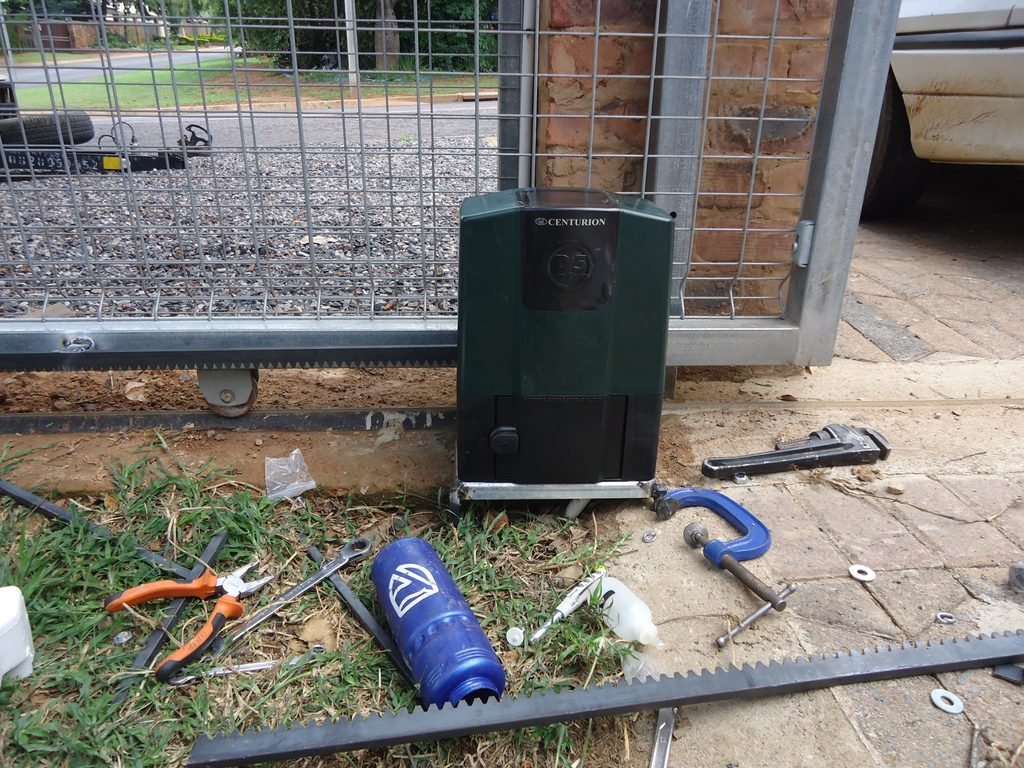
First, estimate the gate’s weight. More importantly, check whether the gate moves freely on its rollers or track.
A poorly aligned 300 kg gate can place more strain on a motor than a correctly installed heavier gate.
2. Sliding or swing gate
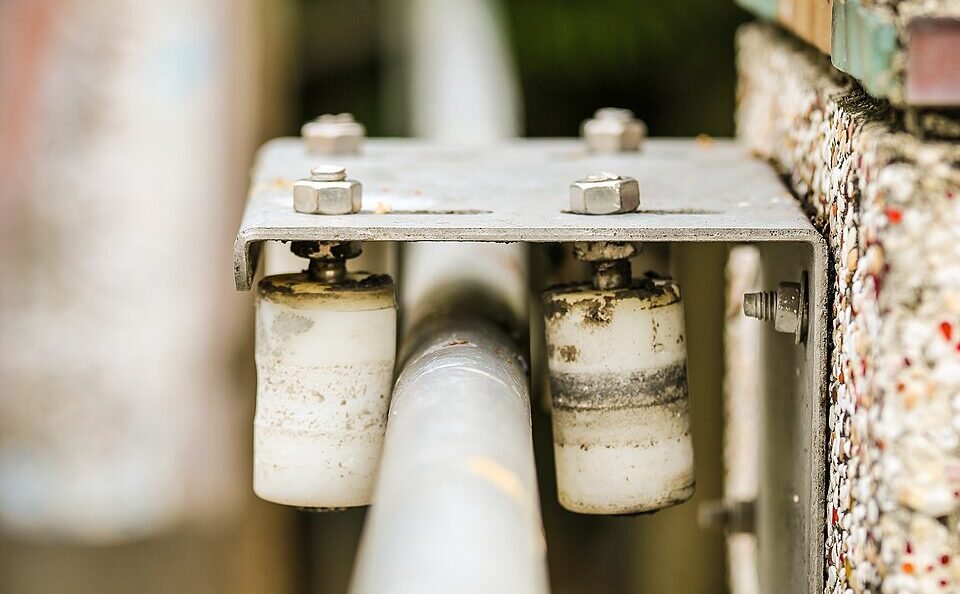
Sliding and swing gates require completely different automation mechanisms. This article covers sliding-gate operators.
For a swing gate, you normally need linear, articulated-arm, or underground swing-gate operators instead.
3. Remote controls
Check exactly what the quotation includes.
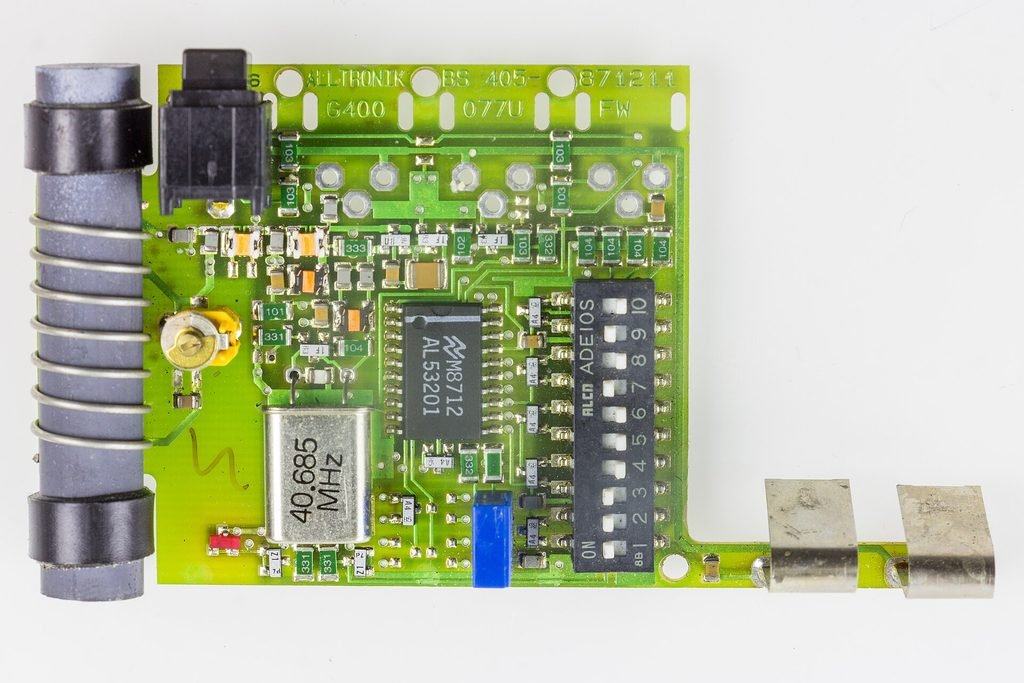
Some sellers quote only the motor and control board, while others sell a complete package containing:
- Motor
- Control board
- Radio receiver
- Two remote controls
- Gear rack
- Photocells
- Flashing lamp
- Mounting hardware
This distinction can significantly affect the final installation cost.
4. Safety sensors
Photocells are particularly useful for vehicle gates. They can detect an obstruction in the gate’s path and allow the control system to stop or reverse movement depending on the configuration.
Do not treat the remote control itself as a safety system.
5. Power-cut operation
Ask whether the system supports a battery backup or manual release.
Even if battery backup is not required, a manual release mechanism is useful because it lets you move the gate manually when electrical power is unavailable.
6. Installation and gate alignment
Automatic gate motors are not simply plug-and-play appliances.
The rack, motor position, gate wheels, track, limit switches, and control system need to be correctly aligned. If the existing gate has excessive friction or mechanical problems, installing a more powerful motor may not solve the underlying issue.
How to Choose the Right Gate Motor
For a typical house gate, start with four questions:
How heavy is the gate?
Choose a motor with the right capacity rather than selecting based on price alone.
How frequently will it operate?
A private house with a few operations per day has different requirements from an apartment entrance or commercial property operating continuously.
Do you need only remote control or smart control too?
If remote operation is enough, a conventional RF receiver may suffice. If you want phone-based access, look for a compatible Wi-Fi or smart-home system.
What is included in the quotation?
Ask for a written breakdown of the motor, rack, remotes, receiver, photocells, flashing light, installation, GST, and electrical work.
Frequently Asked Questions
Which gate motor is suitable for a 500 kg sliding gate?
The FAAC 740 E Z16 is specified for sliding gates up to 500 kg. STANSV’s 250W DC motor is specified for up to 600 kg, while the Nice Robus 400 is specified for up to 400 kg. Actual motor selection should also account for gate condition, length, operating frequency, and installation geometry.
Does a gate motor come with a remote?
It depends on the product and package. The STANSV 250W model explicitly lists two remote controls as part of its control system. You can buy FAAC and Nice products as complete kits that include remote controls, but confirm the contents of a specific seller’s package before ordering.
How much does an automatic gate motor cost in India?
Current listings vary substantially. The products researched here range from about ₹28,000 for the listed STANSV motor to ₹46,000 for the listed FAAC 740 and ₹40,000–₹70,000 for a Nice Robus 400 listing. Complete installations can cost more once you add accessories, GST, installation, and electrical work.
Can a gate motor work during a power cut?
Some automation systems support battery backup, while others provide a manual release mechanism. The FAAC 740, for example, has a manual release mechanism for opening the gate when the operator cannot run normally. Battery backup availability depends on the particular automation configuration.
Is a 24V gate motor better than a 230V motor?
Voltage alone does not determine whether a gate motor is suitable. A 24V system can offer useful options such as battery backup and electronic control, but the correct choice depends on gate weight, duty cycle, control features, safety equipment, and installation requirements.
Do I need photocells for an automatic gate?
Photocells are an important safety accessory for many automatic gate installations because they can detect an obstruction in the gate’s path. For a vehicle entrance, it is sensible to discuss photocell placement and other safety devices with the installer rather than selecting the motor alone.
Conclusion
A gate motor with remote control can significantly simplify the operation of a residential or commercial entrance, but select the motor based on the gate’s weight, mechanical condition, operating frequency, and required control system.
The STANSV 250W DC model stands out in this comparison for its stated 600 kg capacity, Wi-Fi control, and two included remotes. The FAAC 740 E Z16 is specified for gates up to 500 kg and includes an encoder and manual release. The Nice Robus 400 is a 24V option specified for gates up to 400 kg and can be purchased in complete automation configurations with remote controls and safety accessories.
Before placing an order, ask the installer or seller for the complete installed quotation, including the motor, control board, remotes, rack, photocells, electrical work, installation, GST, and any battery backup. That gives a much more useful comparison than looking at the motor price alone.
Credits
tony_duell, ZngZng, MikeRun, S.J. de Waard, Shixart1985, Materialscientist and Garonzi Stefania — Wikimedia Commons, used under the applicable Creative Commons licenses.
Leave a Reply